
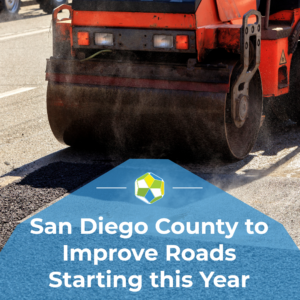
 On December 12, 2025, the San Diego Association of Governments (SANDAG) Board of Directors approved $55 million in funding for 36 transportation projects across 14 cities in San Diego County. This investment marks the largest Smart Growth Incentive Program (SGIP) cycle since the program’s launch in 2009, reinforcing the region’s commitment to improving infrastructure, mobility, and community livability.
As the regional planning agency for San Diego, SANDAG plays a key role in coordinating transportation funding and long-term infrastructure projects. A significant portion of its funding comes from TransNet, a voter-approved half-cent sales tax dedicated to transportation improvements across the county. Through this program, SANDAG is able to match approximately $3 for every $1 of TransNet funding, amplifying the impact of local tax dollars and accelerating critical upgrades.
The recently approved $55 million will support a wide range of projects, including road improvements, pedestrian enhancements, and community beautification efforts in cities like Oceanside, National City, Lemon Grove, and San Diego. Many of these projects are expected to begin in 2026 and continue through 2028, bringing long-term benefits to both residents and businesses.
In addition to these approved projects, Solana Beach is positioning itself to take part in future funding opportunities by updating its priorities within the Regional Transportation Improvement Program (RTIP), a key pipeline through which projects receive SANDAG funding. The city is proposing to reallocate unused funds from completed pavement resurfacing and maintenance work toward a more comprehensive solution: full-depth road rehabilitation.
Unlike standard resurfacing, which simply layers new asphalt over existing damage, full-depth rehabilitation replaces the entire road structure. This approach addresses underlying issues rather than temporary surface fixes, resulting in longer-lasting roads, fewer repairs over time, and improved overall performance. While it requires a higher upfront investment, it ultimately reduces long-term maintenance costs and minimizes disruptions for drivers.
SANDAG Chair and Solana Beach Mayor Lesa Heebner emphasized the broader impact of these efforts, stating that “these projects improve the health and quality of life for our local communities.” Safer, smoother roads not only enhance daily commutes but also contribute to more efficient transportation systems across the region.
For drivers, especially those in logistics and transportation, these improvements can have a direct impact on operating costs. Rough, uneven roads increase rolling resistance, leading to higher fuel consumption and greater wear and tear on vehicles. In contrast, well-maintained roads improve fuel efficiency, reduce maintenance expenses, and support more reliable delivery timelines.
As these infrastructure improvements roll out across San Diego County, businesses have an opportunity to maximize their savings even further. Pairing smoother roads with smarter fuel management solutions like the Energie Fuel Card can help fleets reduce fuel costs while improving operational efficiency.
With access to a vast network of fuel stations and competitive pricing, the Energie Fuel Card ensures that drivers spend less time worrying about fuel and more time staying on schedule. Better roads mean better mileage and with the right fuel strategy, that translates into real savings for your business.
As San Diego invests in stronger infrastructure, now is the time to invest in smarter fuel solutions.