
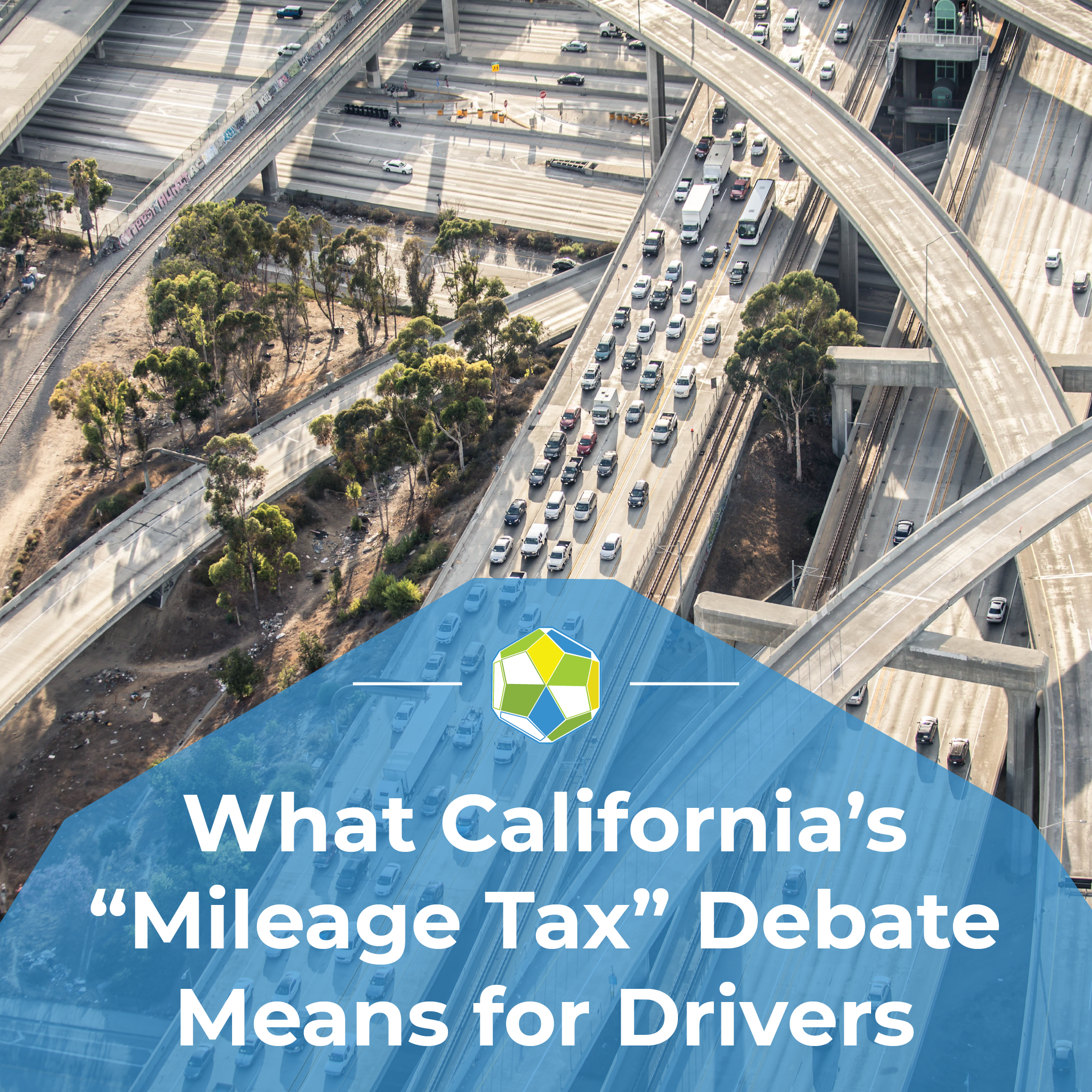
 A recent news report from CBS 8 San Diego has sparked widespread discussion about a proposed “mileage tax” in California. Despite the viral headlines, the legislation at the center of the debate, Assembly Bill 1421 (AB 1421), does not create a new tax. Instead, it extends the state’s research into how California may fund road maintenance in the future as gas-tax revenue declines.
California currently relies heavily on fuel taxes to maintain highways and transportation infrastructure. Drivers already pay about 61 cents per gallon in state excise taxes, generating billions of dollars annually for road repairs and transit projects. However, as electric vehicles and hybrids become more common, fewer drivers are purchasing gasoline, reducing the revenue that traditionally funds these projects.
To address this challenge, AB 1421 directs the California Transportation Commission to consolidate years of research on alternatives to the gas tax, including the possibility of a road-usage charge based on miles driven. The bill also extends the state’s Road Usage Charge Technical Advisory Committee through 2035 to continue evaluating potential systems and report findings to lawmakers by 2027.
Why the Proposal Is Getting Attention
Even though AB 1421 does not implement a mileage tax, it has generated strong reactions among Californians. Some residents worry that the research could eventually lead to new fees for drivers, particularly for commuters who travel long distances or families with multiple vehicles.
Others argue that exploring alternatives is necessary to maintain infrastructure funding in a changing transportation landscape. As electric vehicles grow in popularity, many EV drivers contribute less to gas-tax revenue despite using the same roads. A mileage-based system could potentially create a more balanced way for all drivers to contribute to road maintenance.
For now, though, any mileage-based fee would require separate legislation and significant public debate before becoming law.
What This Means for Businesses Today
While policymakers discuss long-term transportation funding, businesses that rely on fuel-powered vehicles are still facing rising operational costs right now. Fuel remains one of the largest expenses for trucking companies, contractors, delivery fleets, and other mobile businesses.
That’s where strategic fuel management becomes essential.
The Energie Fuel Card helps businesses reduce fuel expenses and improve cost control immediately, regardless of future tax changes. By providing access to competitive diesel and gasoline pricing across a nationwide network, businesses can lower per-gallon costs and track fuel purchases in real time.
With built-in spending controls, detailed reporting, and the ability to manage driver purchases, the Energie Fuel Card also helps companies prevent unauthorized spending and simplify accounting.
Preparing for an Evolving Transportation Landscape
California’s transportation funding model will likely continue evolving as vehicle technology changes and infrastructure needs grow. While AB 1421 is only a research initiative today, it highlights the broader conversation about how road systems will be funded in the future.
For businesses, the best strategy is focusing on controllable costs today, starting with fuel.
By leveraging solutions like the Energie Fuel Card, companies can reduce fuel expenses, increase operational transparency, and stay financially prepared for whatever changes may come to California’s transportation policies.