
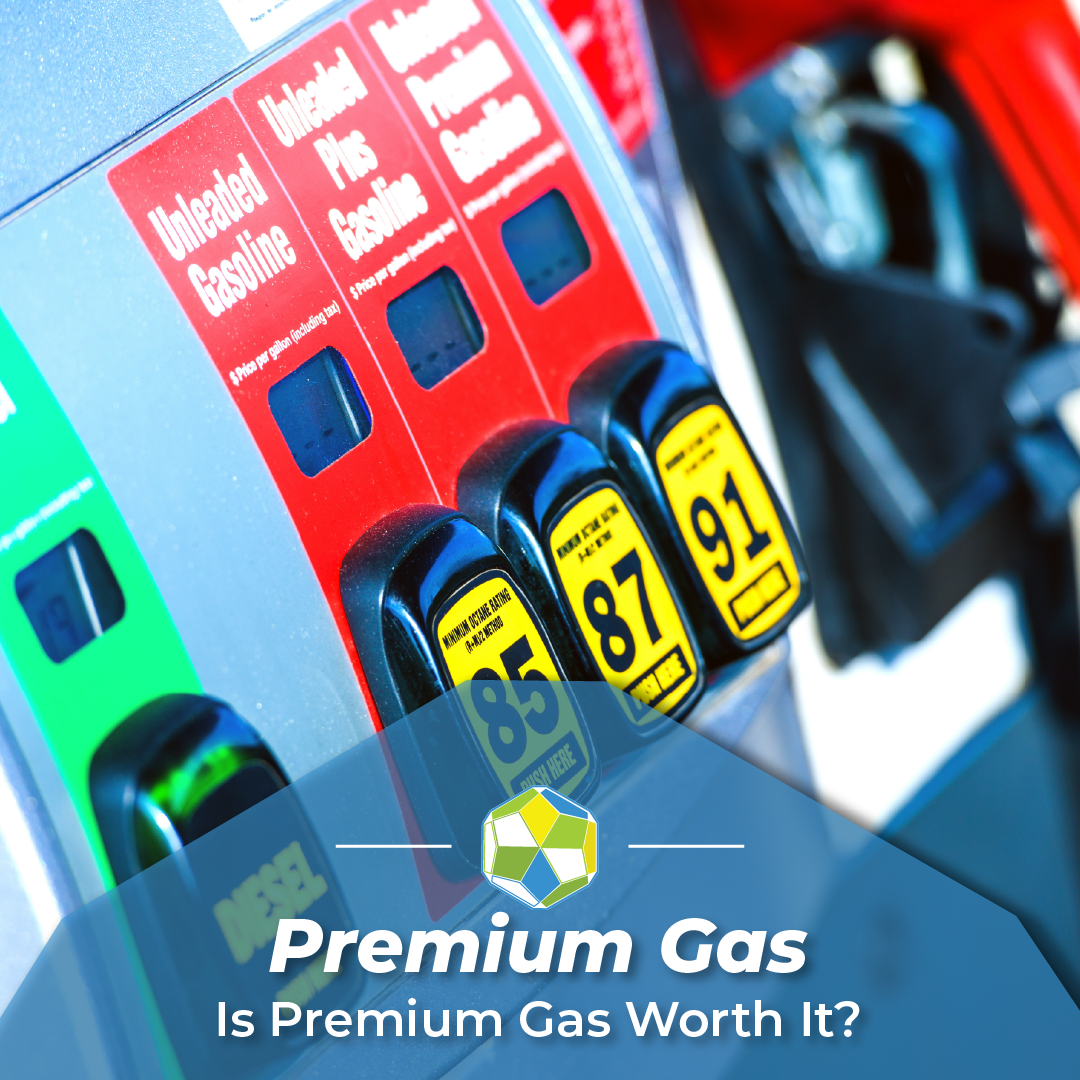
 Gas prices have fluctuated so much across the country in 2026 alone, which has left many drivers asking the question: Is premium gas even worth it? The difference between regular gas and premium gas doesn’t end with just the price, because premium gas has a higher-octane rating that enhances performance in specific engines. We’re going to take a look at premium gas, debunk some of the myths, and attempt to determine whether premium gas is really worth it.
Let’s first look at what premium gas is and why it warrants a higher price. Premium gas is also known as 91-octane or high-octane gas and is designed to fuel high-performance engines. According to the United States Energy Information Administration, the octane rating is a measure of fuel stability. The higher the octane number, the more stable the fuel becomes. In the United States, you will typically see retail gas stations with three grades of gasoline based on octane levels: regular/unleaded (lowest, generally 87), midgrade/super (middle, generally 89–90), and premium/super premium (highest, generally 91–94).
Now that we know premium gas has a higher-octane level, let’s debunk the first myths: that premium gas lasts longer and that you’ll see significantly better performance. Having a higher-octane level doesn’t change the energy content of gasoline or make it stay “fresher.” This is gasoline we’re talking about, not milk, and most people will go through their gas in a timely manner if they rely on their vehicle as their main form of transportation.
As far as performance goes, AAA tested a variety of vehicles that recommend but do not require premium gasoline to see if there would be a difference in performance. In terms of fuel economy, the test vehicles averaged a 2.7% improvement. When it came to horsepower, the test vehicles averaged an increase of only 1.4%. So, while there was an improvement, it was very small compared to the much higher price tag. Generally speaking, premium gasoline can cost considerably more than regular gasoline, so the higher price tag might not be worth it for such a small boost in performance.
If your vehicle does not require premium gasoline, then spending more on gas might not be worth it. The average driver will not see significant benefits to the vehicle itself or the engine. The one thing you will notice is a significant increase in what you’re spending on fuel. Now, if your vehicle requires premium gasoline, stick to what your owner’s manual calls for. According to Kelley Blue Book, putting regular gas in a vehicle that requires premium may not immediately damage your vehicle, but it can reduce engine performance and potentially cause damage over time. This could become more of an issue for people who want to resell their car since a damaged engine can decrease the value of the vehicle. The moral of the story is that premium gas is generally not worth it if your vehicle’s engine doesn’t require it. Why pay more for gasoline when it’s already expensive? If your vehicle runs well with regular gasoline, then keep using regular gas and save those cents per gallon. If your vehicle does not require premium gasoline, opting for higher-octane gasoline with a higher price tag may ultimately be a waste of money, as Kelley Blue Book simply puts it. And if you’re looking to save even more money on fuel-related expenses, there’s always the Energie Fuel Card.