
• Skip to main content
  • Skip to primary sidebar
  • Skip to footer
LOGO
  • (833) TRU NRGY (833) 878-6749
  • team@energiefuel.com

Truck & Equipment Maintenance

From Pallets to Totes: The Right DEF Presentation for Your Fleet

by Monique

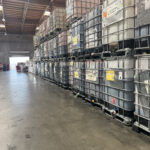
When it comes to Diesel Exhaust Fluid (DEF), every fleet has different needs. Some operations need large-volume deliveries to keep equipment running nonstop, while others need smaller, more flexible packaging that’s easy to store and handle. That’s why we offer DEF in multiple formats like boxes on pallets, drums, and totes so you can choose
Read More

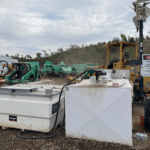
Get Bulk Oils, Lubes, & DEF, Packages Your Way for Any Job

by Monique

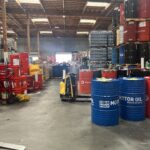
No two operations are exactly alike, and your fluids shouldn’t be one-size-fits-all either. Whether you run a large fleet, manage heavy equipment, or maintain specialized vehicles, the right oils, lubricants, and DEF need to fit your workflow, not the other way around. That’s why we offer multiple packaging options to suit your specific needs. From
Read More

Does Filling Up in the Coolest Part of the Day Really Improve Fuel Economy?

by Monique

You may have heard the advice: fuel up early in the morning or late at night when it’s cooler, because cooler gasoline is denser and gives you more energy per gallon. It sounds like a clever way to save money but for most drivers, it doesn’t make a measurable difference.   Where This Idea Comes
Read More

If Higher Octane Gas Doesn’t Improve Fuel Economy… What Does It Do?

by Monique

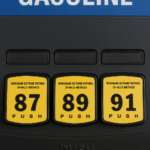
Many drivers believe that filling up with higher octane gas will boost their fuel economy. In reality, octane rating has little to do with miles per gallon. Instead, it measures a fuel’s resistance to engine knock, which is a condition where fuel ignites prematurely in the combustion chamber, causing a knocking or pinging sound and
Read More

How Are Octane and Cetane Actually Used to Measure?

by Monique

Fuel ratings can be confusing. You’ve probably heard of Octane when filling up at a gas station, and maybe Cetane when talking about diesel. But what do they actually mean and how do they impact your vehicles? Octane is a measurement for gasoline fuels. It indicates a fuel’s resistance to knocking or premature ignition under
Read More

What’s the Difference between Renewable Diesel and Petroleum Diesel?

by Monique

For decades, petroleum diesel has been the standard fuel for trucks, heavy equipment, and commercial fleets. As environmental regulations tighten and businesses aim for more sustainable operations, Renewable Diesel has emerged as a superior alternative that doesn’t compromise performance. Unlike traditional diesel, which is refined from crude oil, renewable diesel is made from waste oils,
Read More

Does Biodiesel Come at a Cost?

by Monique

While we can see that biodiesel is more widely available, we have recently heard a story that only using biodiesel blends can lead to a hefty repair bill. We’ve had one of our own truck drivers recount a time when they regularly used a station exclusively using B20 diesel blend. After using B20 for a
Read More

How Is Gasoline Made?

by Monique

Ever wondered how the fuel that powers your fleet makes its way from deep underground to your fuel tank? It all starts with crude oil, a thick, dark liquid pumped from oil wells. But crude oil on its own isn’t useful. It needs to go through a refining process to become the gasoline that keeps
Read More

MPG: Cómo Medir la Eficiencia del Combustible

by Monique

Análisis de MPG para medir la eficiencia del combustible de una flota

¿Qué es MPG? Las millas por galón (MPG), un número con el que probablemente todos estemos familiarizados, se han utilizado para medir el ahorro de combustible durante mucho tiempo. Un coche con mejores MPG consume menos gasolina porque puede llegar más lejos con la misma cantidad de combustible. Las MPG son una forma sencilla y
Read More

MPG: Measuring Fuel Efficiency

by Monique

What is MPG? Miles Per Gallon (MPG), a number we’re all probably familiar with, has been used to measure fuel economy for a long time. A car with a better MPG number uses less gas because it can go farther on the same amount of gas. MPG is a simple and useful way to compare
Read More

  • « Go to Previous Page
  • Page 1
  • Interim pages omitted …
  • Page 4
  • Page 5
  • Page 6
  • Page 7
  • Page 8
  • Go to Next Page »

Primary Sidebar

Search

Categories

  • Bulk & On-Site Fueling Solutions
  • Case Studies & Customer Stories
  • Driver Experience & Safety
  • Fleet Fuel Management
  • Fleet Maintenance
  • Fleet Operations & Compliance
  • Fuel Cards
  • Fuel Cost & Pricing Trends
  • Fuel Theft & Fraud Prevention
  • Fuel Types & Knowledge
  • Industry News & Policy Updates
  • LIQUI MOLY
  • Spanish
  • Truck & Equipment Maintenance
  • Uncategorized
  • Vehicle Fluids

Footer

Not an Energie Fuel member yet?

Join Today

833.TRU.NRGY (833) 878-6749

Member Login

  • About Us
  • Why Us
  • Fuel Cards
  • Lubricants
  • DEF
  • Bulk Fuel
  • On-Site Fueling
  • Locations
  • Maps
  • News
  • Reviews
  • FAQs
  • Contact Us
Copyright 2026 © Energie Fuel. All rights reserved. Privacy Policy.
  • About Us
  • Why Us
  • Our Photos
  • Reviews
  • Products
    • Fleet Cards
      • Chula Vista CFN Site
      • 18-Wheel Sites
      • Wholesale Sites in CA
    • Lubricants
      • LIQUI MOLY
    • DEF
    • Bulk Fuel
    • On-Site Fueling
  • Maps
  • News
  • Account Login